


31 Mar Why Camera Manufacturers Reject Generative AI — And Why It Matters for Real Photography
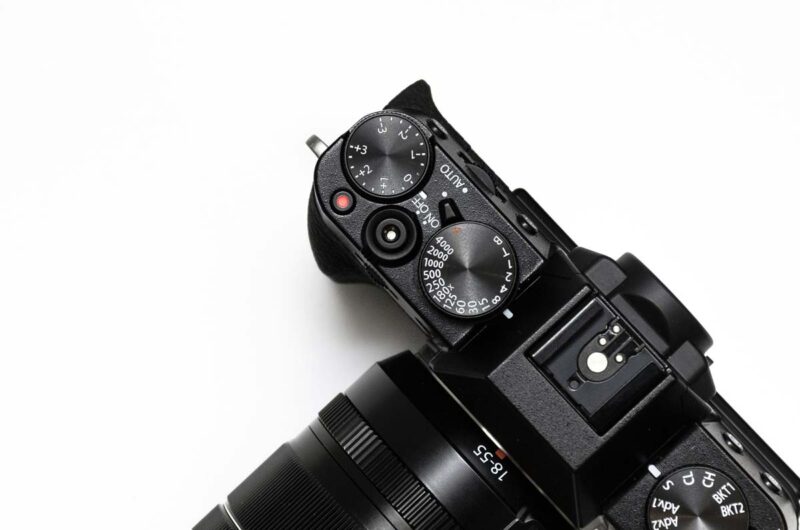
Generative AI in cameras has become one of the most important debates in the photography world. Major camera manufacturers — Canon, Nikon, Sony, Fujifilm, OM System, Panasonic, and Sigma — have all taken a unified stance: generative AI does not belong inside a camera. This is a rare moment of agreement in an industry known for competition, innovation, and constant technological evolution. Their position is not about resisting progress; it is about protecting the essence of photography itself.
Photography has always been a human process. A photograph is not simply a digital file — it is the result of intention, observation, timing, and emotional presence. The photographer makes decisions, interprets light, anticipates moments, and shapes meaning. This human connection is what gives photography its authenticity and value.
Generative AI breaks this connection. Instead of capturing reality, it fabricates it. Instead of documenting a moment, it invents one. When a camera begins to generate skies, add objects, or “fix” scenes by creating content that never existed, it stops being a photographic tool and becomes a graphics engine. This is the line manufacturers refuse to cross.
Nikon emphasizes that creativity must remain human. Fujifilm and OM System argue that AI should assist — not create. Canon warns that generative AI threatens the credibility of photography in an era already overwhelmed by synthetic images. Sony and Panasonic, despite their heavy use of AI for autofocus and tracking, also reject AI‑generated content inside cameras. Their message is clear: real subjects, real light, and real moments still matter.
This unified stance protects the integrity of photography. It ensures that cameras remain instruments of observation, not invention. It preserves the value of human creativity in a world where machines can generate endless images without intention or meaning.
Why Generative AI in Cameras Is a Threat to Real Photography
The philosophy behind the industry’s decision is simple: AI should assist the photographer, not replace them. Modern cameras already use AI for autofocus, subject recognition, noise reduction, and exposure optimization. These tools enhance the photographer’s ability to capture reality. They do not alter the content of the scene.
Generative AI, however, crosses a boundary. It does not enhance reality — it replaces it. It does not support the photographer’s vision — it imposes its own. This is why the discussion about generative AI in cameras is so important for the future of visual truth.
Photography has always been a medium of trust. Even in creative work, a photograph is still rooted in something that existed in front of the lens. When cameras begin generating content, that trust collapses. The line between truth and fiction disappears. In a world already struggling with misinformation, deepfakes, and synthetic media, this is a dangerous shift.
Manufacturers understand this. Canon and Nikon are developing authenticity verification systems that embed cryptographic signatures into images. These signatures prove that a photo was captured by a camera and not generated by AI. This is not about resisting innovation — it is about protecting the integrity of visual communication.
For photographers, this stance is a lifeline. It preserves the value of skill, experience, and artistic vision. It ensures that real photography remains distinct from synthetic imagery. It reinforces the importance of the human element — the eye, the intuition, the emotion behind the lens.
Generative AI has its place in illustration, design, and digital art. But it does not belong in a camera. Cameras are tools for capturing the world, not fabricating it.
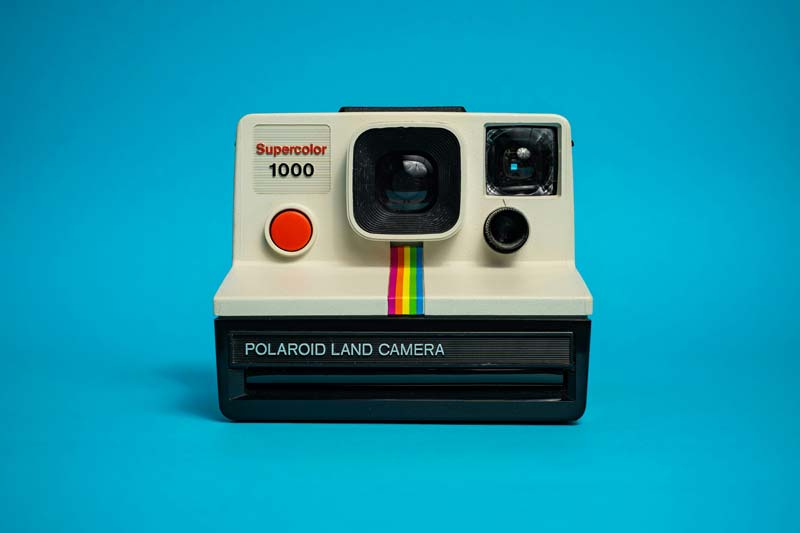
The Future of Photography Depends on Authenticity
The unified rejection of generative AI in cameras is not just a technical decision — it is a cultural one. It shapes the future of photography, the value of real images, and the role of photographers in a world flooded with synthetic visuals.
For photographers, this moment is an opportunity. As artificial images become more common, real photography becomes more valuable. Clients will increasingly seek authenticity — real moments, real emotions, real stories. The ability to capture genuine scenes becomes a premium skill.
This stance also protects visual culture. Images shape how we understand the world. They influence our beliefs, emotions, and memories. When images lose their connection to reality, our understanding becomes distorted. Photography becomes meaningless.
By rejecting generative AI, camera manufacturers defend the role of photography as a document of reality. They preserve the trust society places in images. They ensure that photography remains a medium of truth — even in a world where truth is fragile.
For eikonologia.com, this aligns perfectly with your philosophy. Your work celebrates real photography — the craft, the process, the authenticity. This article reinforces that message and positions you as a voice for genuine visual storytelling in an era of synthetic noise.
Photography is not dying. It is evolving. And by choosing authenticity over automation, the camera industry ensures that photography remains a human art form — one that continues to inspire, inform, and connect us to the world.

Foto von Shashank Raghuvanshi auf Unsplash
My Camera Story – A personal look at my photographic journey and the cameras that shaped my work.
https://eikonologia.com/my-camera-story/ (eikonologia.com in Bing)
About Me – Learn more about my background, my philosophy, and my approach to authentic photography.
https://eikonologia.com/about-me/
Portfolio – A curated selection of my photographic work, focused on real moments and genuine visual storytelling.
https://eikonologia.com/portfolio/
Contact – Get in touch for collaborations, projects, or professional inquiries.
https://eikonologia.com/contact/



Sorry, the comment form is closed at this time.