Real Photography in the Age of AI
AI in photography
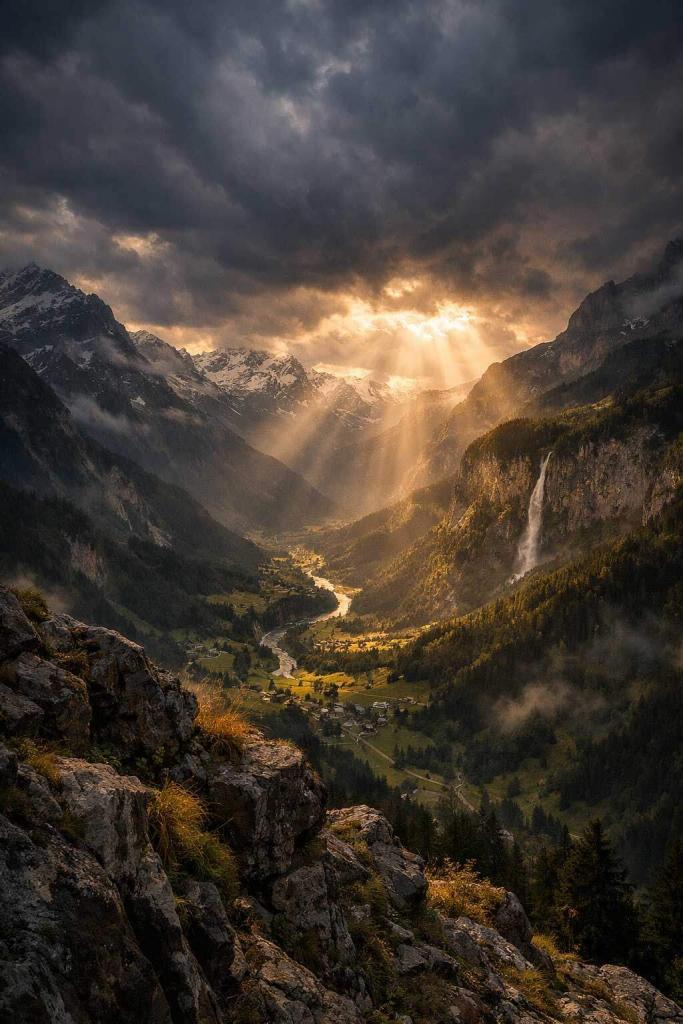
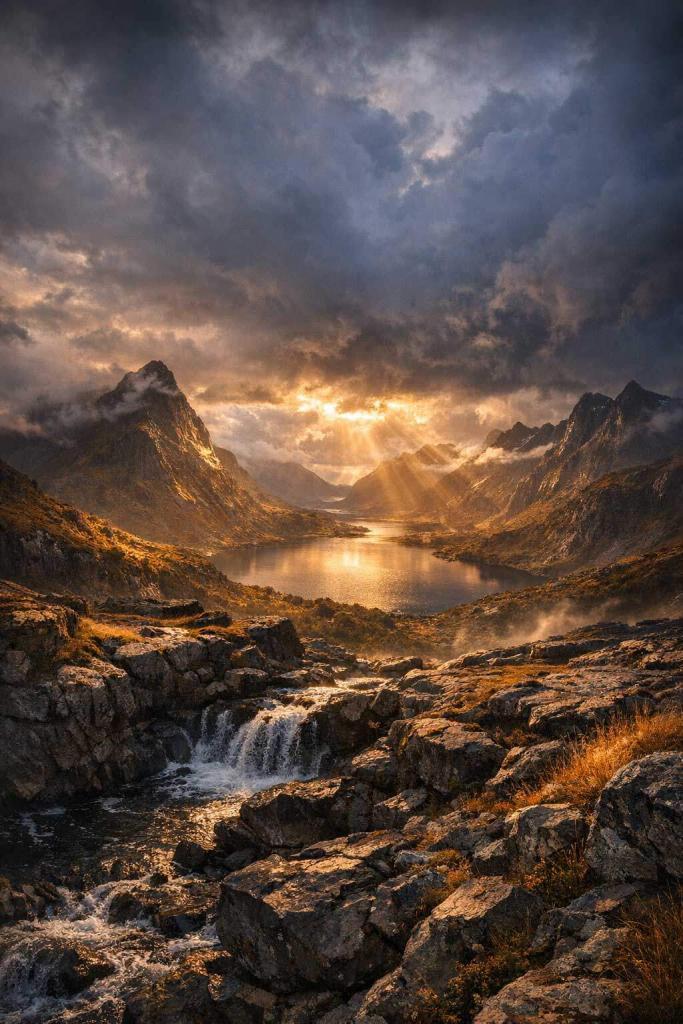
AI in photography is changing more than just images. I don’t have a problem with new technology, and I don’t reject change just for the sake of it, but something about artificial intelligence in photography feels fundamentally wrong to me in a way that is difficult to ignore. What bothers me is not that AI-generated images look bad. Most of them don’t. In fact, many of them look technically perfect, and that is exactly where the discomfort begins. They look like photographs, but they are not. There was no place, no light, no real moment. No before, no after. Just an output created by artificial intelligence.
AI in Photography and the Loss of Reality
Photography, at least the way I have always understood it, was never just about the final image. It was about something actually happening, a moment that existed and would never return in exactly the same way again. You had to be there, physically present, paying attention. With AI in photography, that changes. Images are no longer captured from reality but generated from data, from existing visuals that are reassembled into something new. The result can be convincing, but it has no origin in the real world.
And because of that, something essential is missing. A real photograph always carries a connection, even if you cannot immediately explain it. There is a quiet certainty that this moment once existed, that someone stood there, that light touched something real. AI-generated images do not have that connection. They can imitate reality, but they are not part of it.
The Problem with AI-Generated Images
When everything can be generated at any time, the image itself begins to lose its meaning. It is no longer the result of patience, timing, or experience, but just one possibility among many. Replaceable, disposable. This is one of the biggest disadvantages of artificial intelligence in photography, not just the technology itself, but the shift in value.
This is why the discussion around AI in photography is not just technical, but fundamental. Images stop being moments and start becoming options. And once that happens, something changes in the way we look at them. There was a time when a photograph carried a certain level of trust, not absolute truth, but at least a connection to something real. Now that connection is no longer guaranteed.
You look at an image and start to wonder whether it is real or AI-generated. That uncertainty affects everything.
Why Real Photography Still Matters
I don’t believe artificial intelligence will disappear. It is too accessible, too powerful, too convenient. But because of that, real photography becomes more important, not less. Because real photography depends on something that cannot be generated. It depends on reality itself.
A real photograph means that something existed, a place, a person, a moment. Maybe imperfect, maybe unexpected, but real. And that is something artificial intelligence cannot replace. You can create images with AI, but you cannot create a real moment that never happened.
This is not about rejecting progress or ignoring technology. It is about understanding what is being replaced. When photography becomes something that no longer depends on reality, it also loses the reason why it mattered in the first place. AI in photography may continue to evolve, but the value of a real moment will not. That is something that cannot be generated, simulated, or recreated. It either happened, or it did not.
And maybe this is where the real difference becomes visible. AI in photography can produce endless variations, but it cannot replace the experience of being there, of witnessing something unfold in real time. That connection to reality is what gives photography its meaning, and once it is gone, something essential disappears with it.
The Changing Percepti
Another shift that comes with AI in photography is how we perceive images in general. When we are constantly exposed to visuals that may or may not be real, our way of looking becomes more distant. We no longer fully trust what we see, and that changes the relationship between the viewer and the image.
There is a subtle difference between looking at a photograph and questioning it. That doubt creates a kind of emotional distance. Instead of being absorbed in the moment, we start analyzing it. Is this real? Could this have happened? Was this generated?
This constant questioning takes something away from the experience. A photograph used to invite you in. Now it often holds you at a distance.
At the same time, the abundance of AI-generated images makes everything feel more saturated. When images are endless, individual ones lose their weight. They become part of a stream rather than something that stands on its own.
Because of this, real photography may become something quieter but more intentional. Not louder or more extreme, but more focused on what is actually there. And maybe that is where its future lies, not in competing with AI, but in offering something that AI cannot: a direct connection to reality without needing to prove it.
The Role of the Photographer in an AI-Driven World
As artificial intelligence continues to evolve, it also reshapes the role of the photographer. Traditionally, a photographer was someone who observed, waited, and responded to the world as it unfolded. There was a sensitivity involved, a certain awareness of light, timing, and emotion. With AI in photography, that role begins to shift. The act of creation is no longer necessarily tied to observation but to input, selection, and generation.
This raises an important question: what does it mean to be a photographer when images no longer require a camera? If anyone can generate a visually perfect image within seconds, the distinction between creator and observer becomes blurred. The skill is no longer in capturing reality but in directing algorithms. While this may open new creative possibilities, it also distances the process from lived experience.
There is also a difference in intention. A photograph traditionally involved a decision in a specific moment, where something was chosen over everything else that could have been captured. That limitation gave photography its depth. With AI, there are no real limitations, only variations. You are no longer choosing a moment, but constructing one. And that changes the meaning behind the image itself.
Authenticity and Trust in Visual Culture
Another consequence of AI-generated imagery is the growing uncertainty around authenticity. Images have always been interpreted, edited, and framed, but they were still rooted in something real. Now, that foundation can be entirely absent. This has broader implications beyond photography as an art form. It affects journalism, documentation, and even personal memory.
If images can no longer be trusted as representations of reality, their role in society begins to shift. They become less about evidence and more about expression. While this is not inherently negative, it requires a new level of awareness from the viewer. People must learn to question not only what they see, but how and why it was created.
At the same time, this uncertainty might lead to a renewed appreciation for authenticity. Real photography, precisely because it is tied to reality, could gain a different kind of value. Not because it is more visually impressive, but because it is anchored in something that actually happened.
The Future of Real Moments
Looking ahead, it seems likely that AI and real photography will continue to exist side by side. One will not completely replace the other, but their roles will become more clearly defined. AI may dominate areas where speed, efficiency, and perfection are required, while real photography may become more focused on presence, storytelling, and truth.
In that sense, photography might return to something more essential. Not as a tool to compete with artificial perfection, but as a way to document existence. The imperfections, the unpredictability, the unrepeatable nature of real moments, these are things that cannot be simulated in a meaningful way.
And perhaps this is where the value of photography ultimately remains. Not in how perfect an image looks, but in the fact that it represents something that truly existed, even if only for a fraction of a second. In a world where everything can be generated, the real becomes rare. And because it is rare, it becomes meaningful again.
AI in photography is not just a technological shift, but also a cultural one. As AI in photography becomes more widespread, it starts influencing how people define creativity and authorship. The conversation around AI in photography is no longer limited to professionals, but reaches anyone who interacts with images on a daily basis.
One of the most important aspects of AI in photography is how easily accessible it has become. Tools that rely on artificial intelligence in photography are now available to almost everyone, lowering the barrier to entry while also changing expectations. When AI in photography can instantly produce results that once required years of experience, it inevitably reshapes how photography itself is valued.
At the same time, the rise of AI in photography forces a clearer distinction between generated and captured images. This distinction may become essential in the future, not only for artists but also for viewers. Understanding whether an image comes from AI in photography or from a real-world moment will likely play a bigger role in how we interpret and trust visuals.
Ultimately, AI in photography continues to grow, but so does the awareness around it. The more present AI in photography becomes, the more important it is to recognize what makes real photography different. This ongoing tension between artificial intelligence in photography and real-world imagery may define the future of visual culture.