


21 Jul Beginner Photography Tips 2026: Essential Skills for Modern Photographers
Beginner Photography Tips 2026: Essential Skills for Modern Photographers
Beginner photography tips 2026 are more important than ever. Cameras and smartphones have become incredibly advanced, yet great photos still depend on the photographer’s understanding of light, composition, and technique. If you’re just starting out, this guide will give you the essential skills you need to take beautiful, sharp, and creative photos from day one.
Start With the Exposure Basics
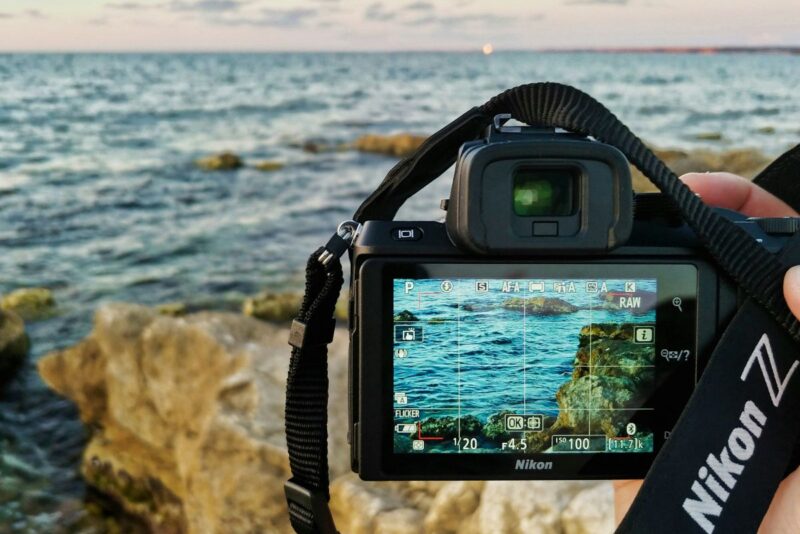
Every beginner should understand the exposure triangle: shutter speed, aperture, and ISO. These three settings determine how bright your photo becomes, but they also influence motion, depth of field, and image quality.
- Shutter speed: Fast speeds freeze action; slow speeds create motion blur.
- Aperture: Low f-numbers (f/1.8) create blurry backgrounds; high f-numbers (f/8) keep more in focus.
- ISO: Low ISO gives clean images; high ISO introduces noise.
Understanding how these settings interact is the foundation of all beginner photography tips 2026.
Use Natural Light Whenever Possible
Light is the most powerful tool in photography. Even the best camera struggles in poor lighting, so beginners should learn how to use natural light effectively.
Simple lighting tips:
- shoot during golden hour for soft, warm tones
- avoid harsh midday sun unless you want dramatic shadows
- use window light for portraits
- position your subject facing the light source
Good lighting instantly improves your photos without needing expensive equipment.
Master Composition Techniques
Composition determines how your photo feels. Even with perfect exposure, a poorly composed image looks unbalanced. Fortunately, composition is easy to learn and improves quickly with practice.
- Rule of thirds: Place your subject along the grid lines.
- Leading lines: Use roads, fences, or shadows to guide the viewer’s eye.
- Framing: Use natural frames like windows or trees.
- Simplicity: Remove distractions and focus on one subject.
These rules are essential in any beginner photography tips 2026 guide because they work with every camera and every subject.
Start in Aperture Priority Mode
Manual mode is powerful but overwhelming for beginners. Aperture Priority (A/Av) gives you creative control over depth of field while the camera handles shutter speed. This mode is ideal for portraits, landscapes, and everyday photography.
Once you feel confident, you can experiment with Shutter Priority and eventually Manual mode.
Learn How to Focus Properly
Modern cameras offer advanced autofocus systems, but beginners often use the wrong settings. To get consistently sharp images, use:
- single-point AF for portraits
- continuous AF for moving subjects
- eye-AF when available
Good focus separates amateur photos from professional-looking ones.
Pay Attention to Backgrounds
Beginners often focus only on the subject and forget the background. A distracting background can ruin an otherwise great photo. Before taking a shot, quickly check for:
- clutter
- bright objects
- unwanted people
- lines or objects intersecting the subject
Small adjustments in angle or position can dramatically improve your composition.
Practice With Simple Subjects
When learning photography, choose subjects that allow you to focus on technique rather than complexity. Good beginner subjects include:
- plants and flowers
- architecture
- pets
- street scenes
- portraits of friends
These subjects help you practice exposure, focus, and composition without pressure.
Edit Your Photos — But Keep It Natural
Editing is a crucial part of modern photography. Even simple adjustments can transform a good photo into a great one. Focus on:
- exposure correction
- contrast and clarity
- color balance
- cropping for better composition
Apps like Lightroom, Snapseed, and mobile editing tools make this easy for beginners.
Final Thoughts
The most important beginner photography tips 2026 all point to one truth: practice is everything. The more you shoot, the faster you improve. Don’t worry about having the perfect camera — focus on learning the fundamentals, experimenting with light, and developing your creative eye.
External Resources (DoFollow)
Internal Link
More articles on Eikonologia Notes



Sorry, the comment form is closed at this time.