






Alonia Greece – A Quiet Portrait of Rural Life
On June 7, 2018, I walked the streets of Alonia — my home in Pieria, Greece. No people, no cars — just fields, power lines, weathered houses, and mountains in the distance. What may look like a scene from the past is everyday life here: quiet, unassuming, yet rich with stories.
Alonia is not a tourist destination. It’s not even a village you’d find on most maps. But for those who know it — or who stumble upon it by accident — it holds a rare kind of beauty. The kind that doesn’t shout, but whispers. The kind that doesn’t need filters, because it’s already real.
The Fields That Tell Stories
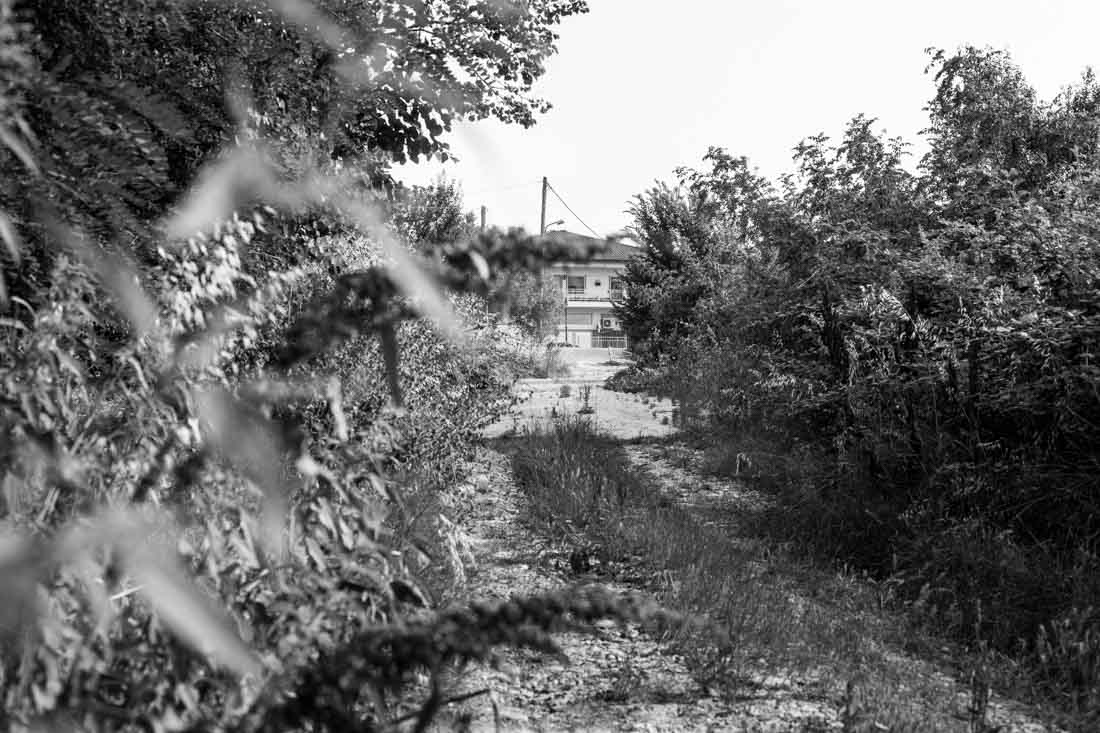
The first image you see — the dirt path leading into the hills — is more than just a road. It’s a metaphor. For me, it represents the journey I take every day as a photographer: walking slowly, observing deeply, letting the landscape speak before I press the shutter.
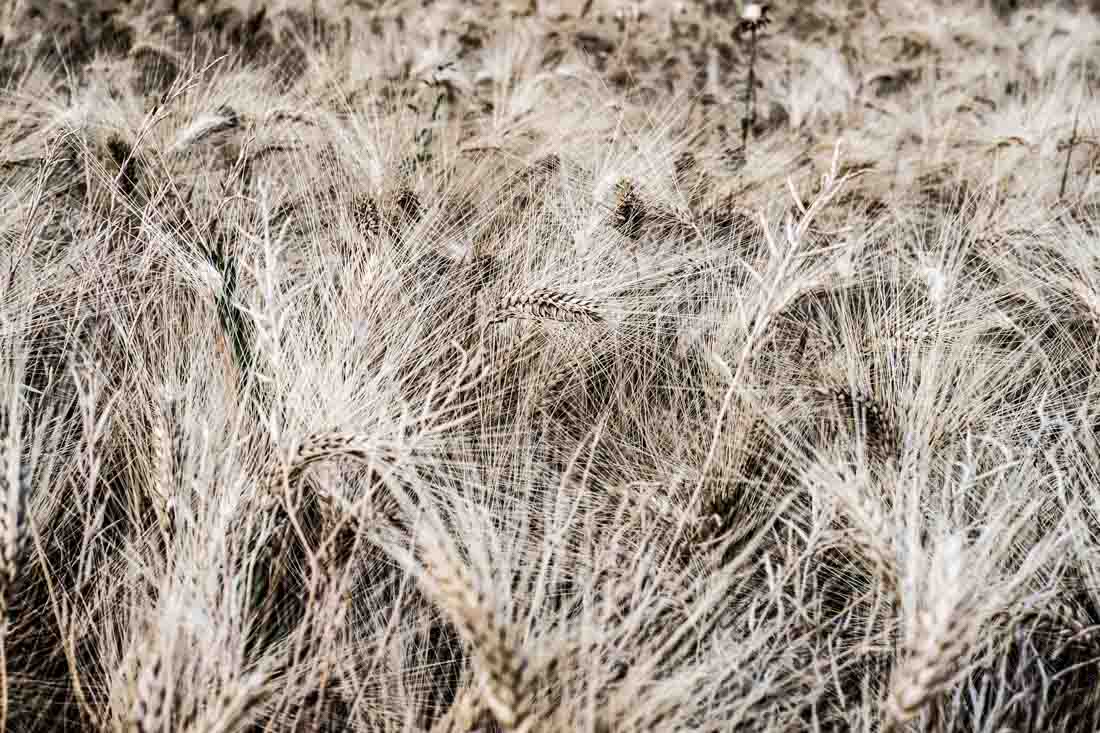
The fields around Alonia are not manicured. They’re not Instagram-perfect. They’re harvested, left to rest, then sown again. In this photo, you can see the remnants of last season’s crop — rows of straw, still lying in neat lines, waiting for the next rain. This is agriculture in its rawest form: honest, unglamorous, essential.
The Power Lines That Connect Nothing
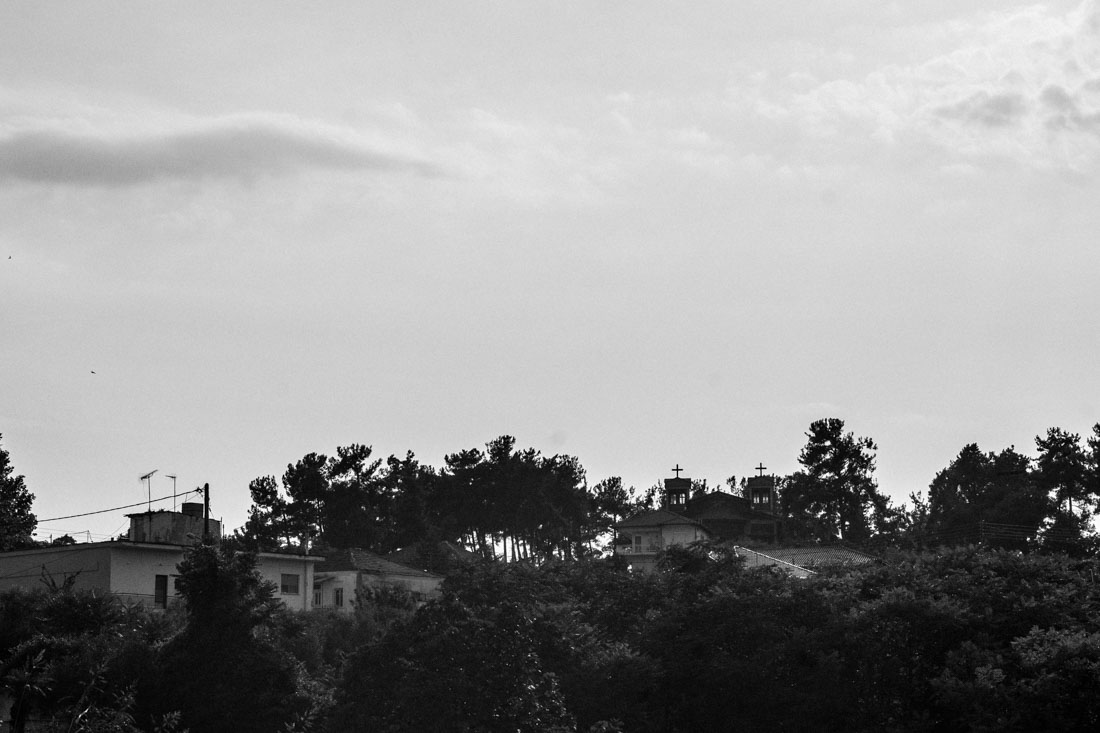
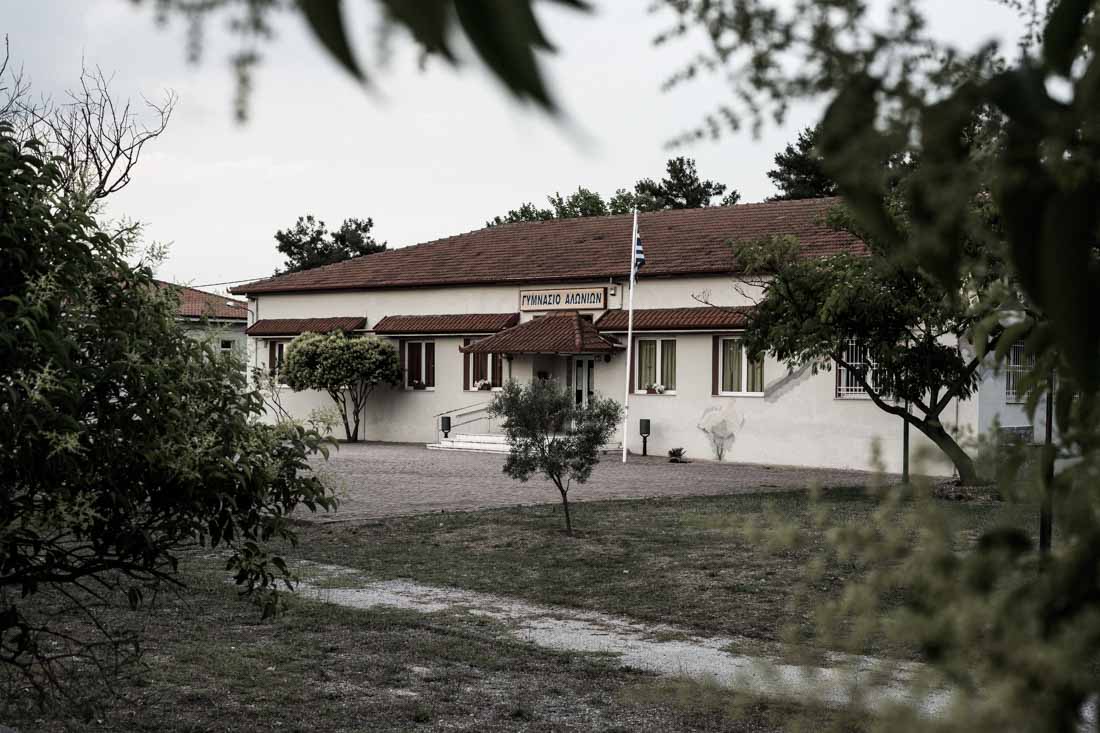
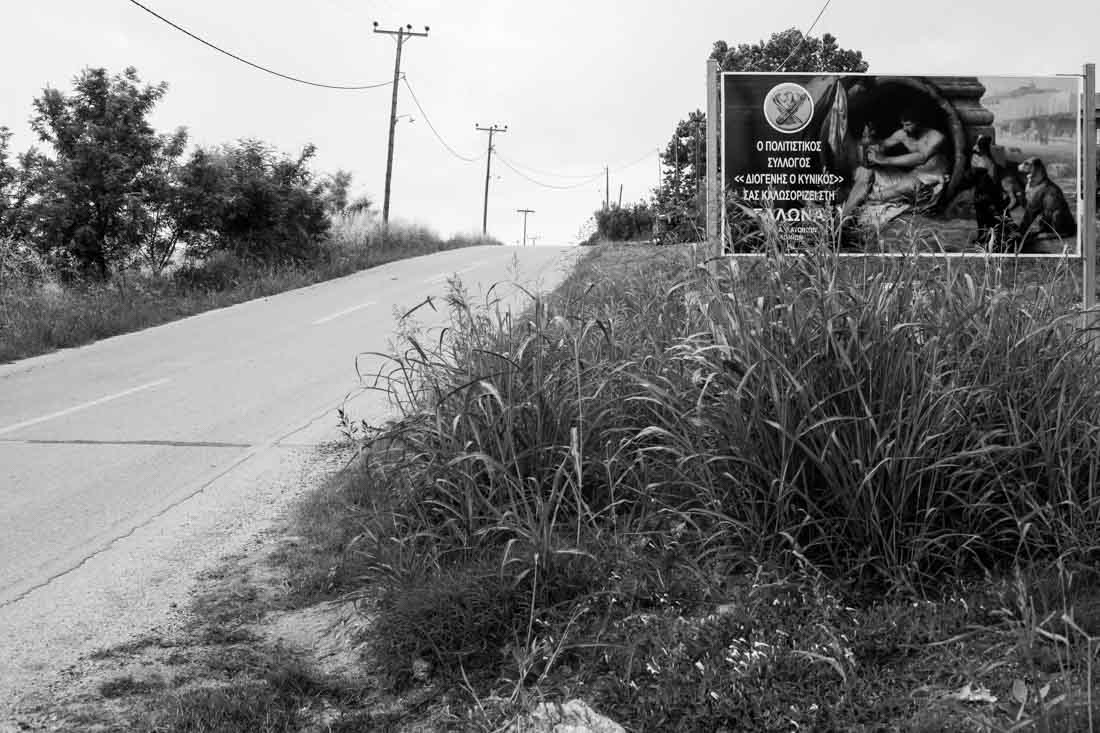
Another recurring motif in my work is the presence of power lines. In Alonia, they stretch across the sky like silent witnesses to human progress — or perhaps its absence. They connect nothing, really. No factories, no cities, no bustling towns. Just a few scattered houses, a school, a small shop.
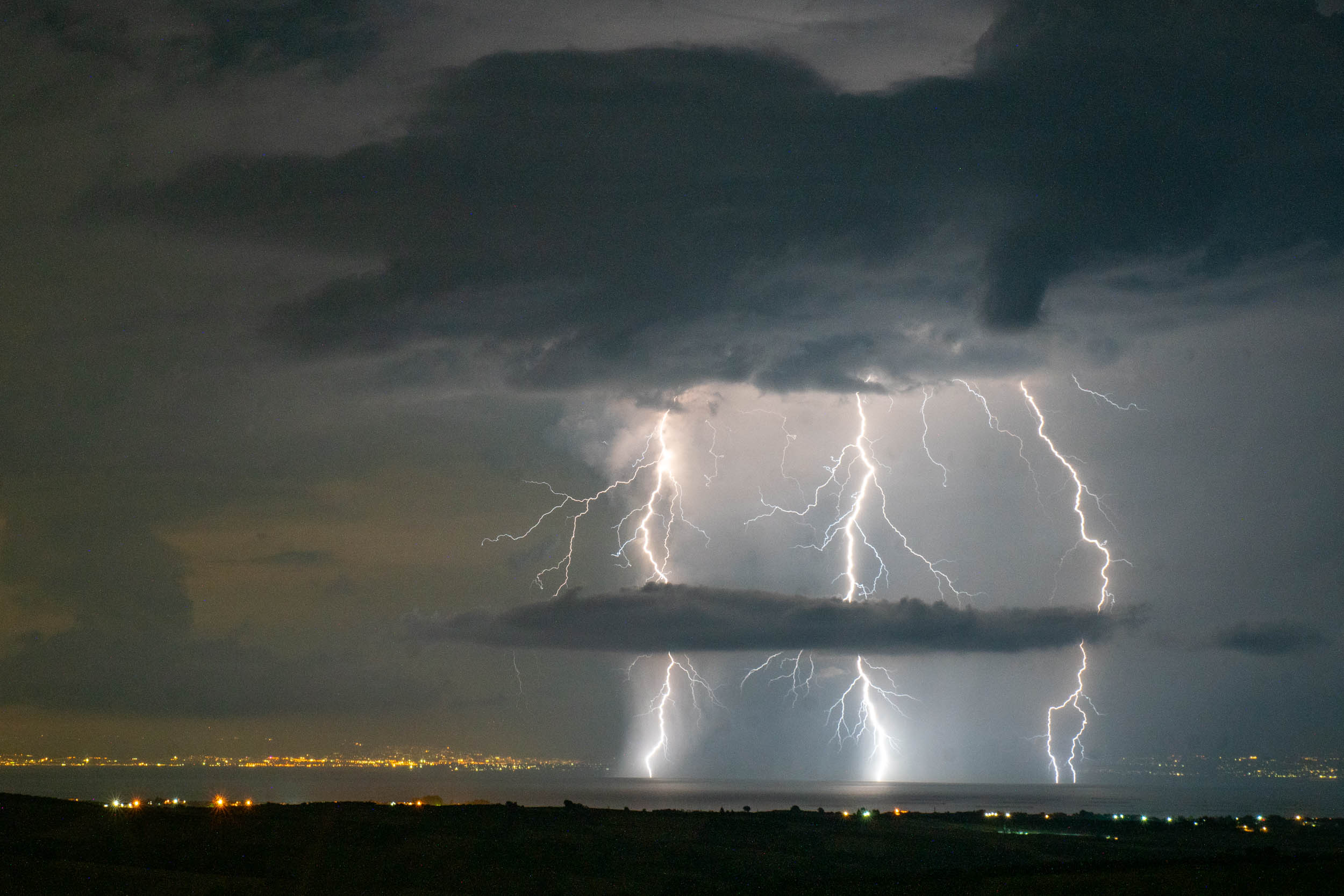
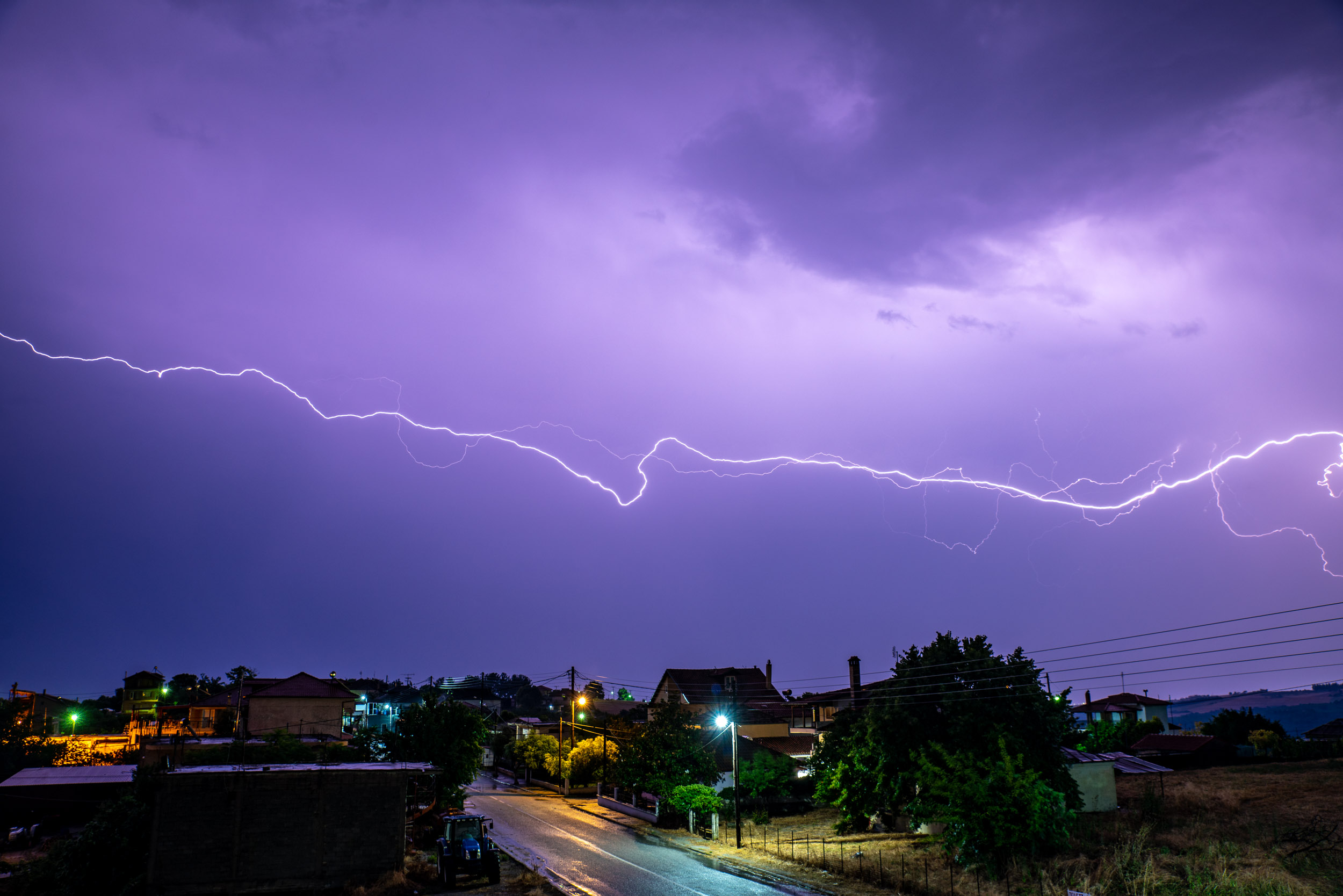
Yet, they’re part of the rhythm of life here. When the wind blows, they hum. When the sun sets, they cast long shadows. And when the sky darkens, they become silhouettes against the storm — like the ones I captured during the thunderstorms near Mount Olympus.
The House That Nature Is Claiming
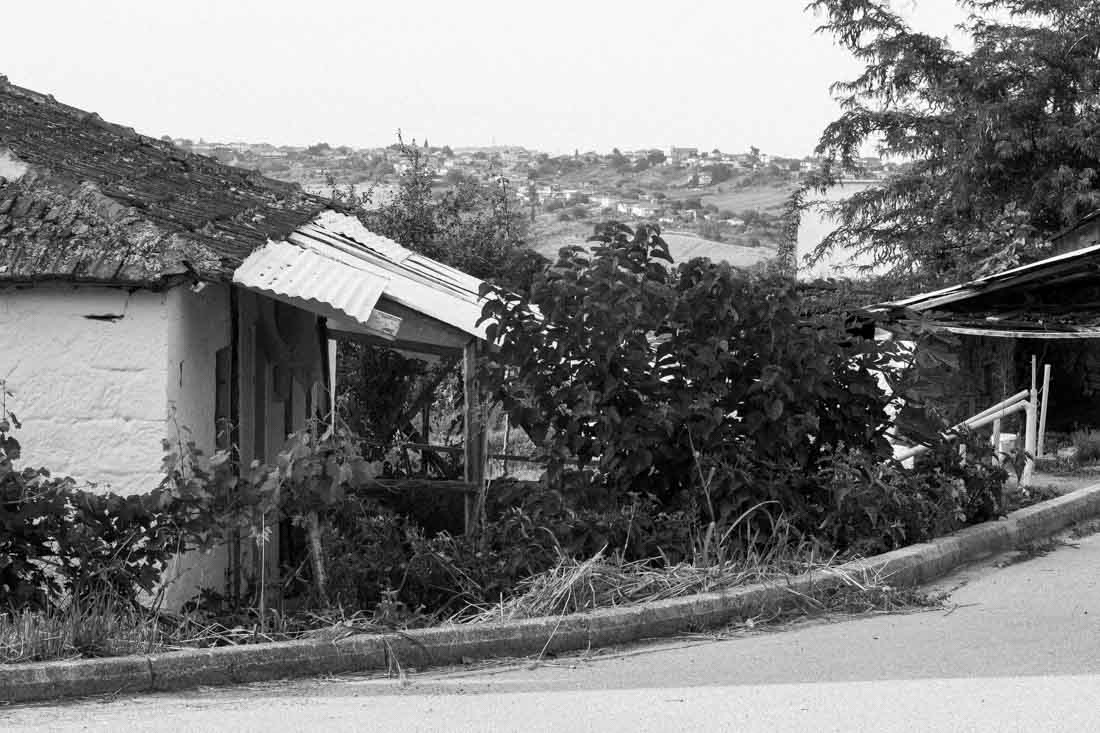
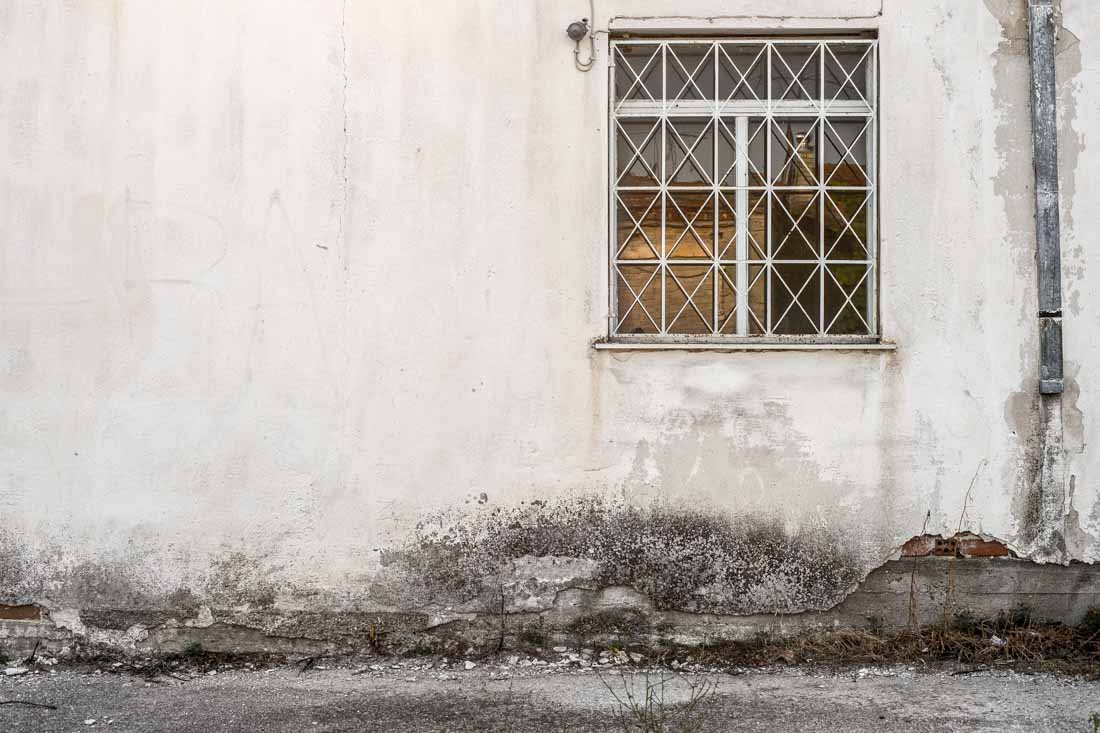
This house — overgrown with grapevines — is one of my favorite images. It’s not abandoned, exactly. Someone still lives there, I think. But nature has begun to reclaim it. The vines climb the walls, the leaves shade the windows, and the gate stands slightly ajar — as if inviting you in, or warning you away.
It’s a reminder that time moves differently in places like Alonia. Not faster, not slower — just deeper. Here, decay is not ugly. It’s poetic. It’s the natural order of things.
The Industrial Ghosts
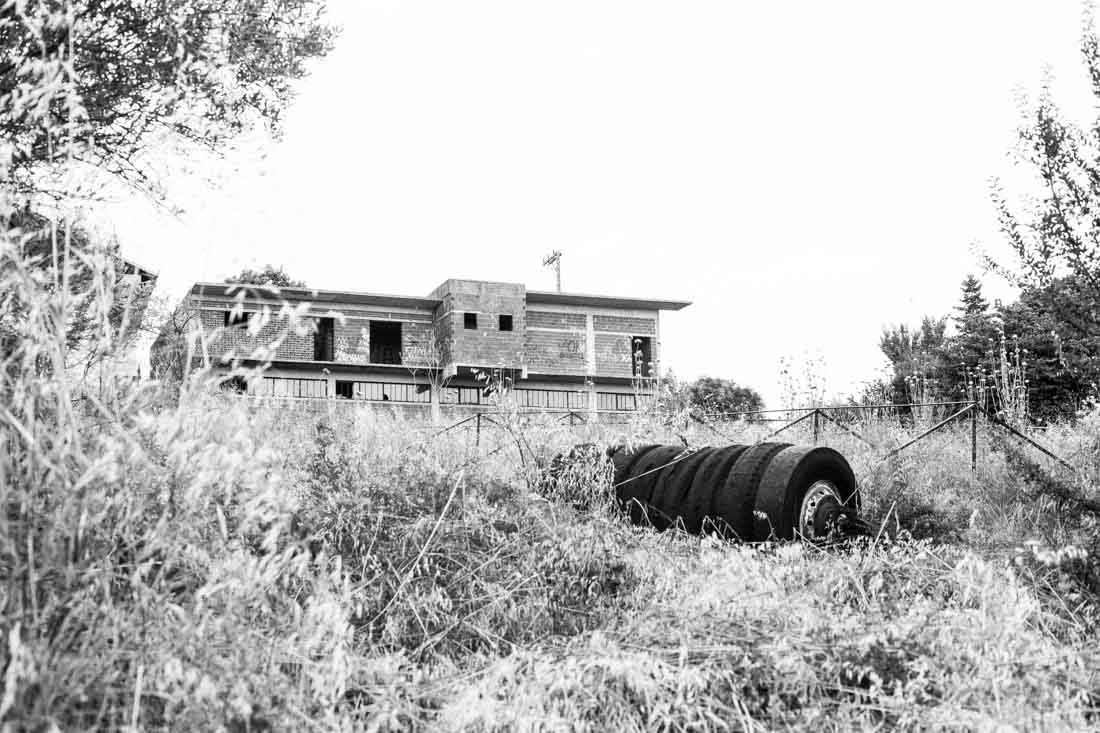
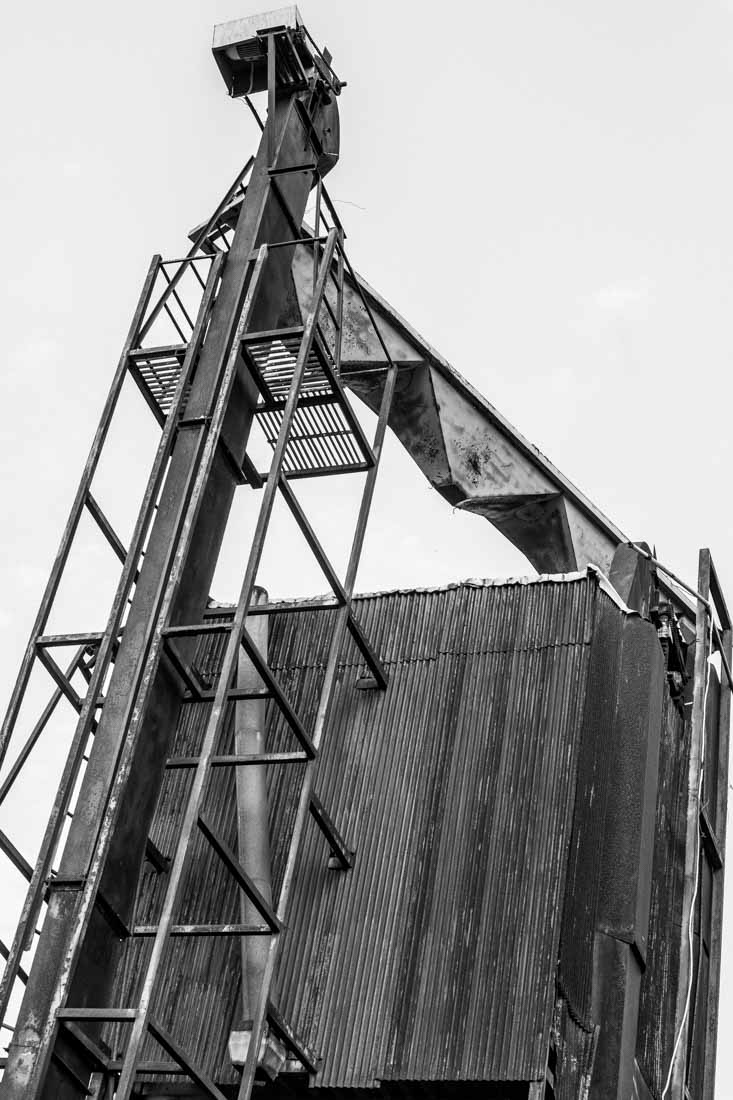
Not far from the village, you’ll find remnants of industry — rusted metal, broken machinery, forgotten structures. These are not relics of war or disaster. They’re the remains of a simpler economy: farming, fishing, salt production.
One of the most striking features of the area is the Alyki Pierias — the salt evaporation ponds near Kitros. Though I didn’t photograph them on this day, their presence lingers in the air, in the scent of brine, in the sound of distant machinery.
Why Alonia?
People often ask me why I choose to live here. Why not Athens? Why not Thessaloniki? Why not somewhere with more opportunities, more people, more noise?
The answer is simple: because Alonia lets me breathe. Because it doesn’t demand anything from me. Because it allows me to see the world through a lens that’s not distorted by expectations or trends.
I don’t create art to impress. I create it to remember. To preserve. To share.
Your Turn
If you’ve ever felt the pull of a quiet place — a place where time slows down, where nature speaks louder than machines, where the past and present coexist — then Alonia might feel familiar to you.
I invite you to explore more of my work. You’ll find other series like Capturing Nature’s Drama: Sunflowers and Thunderstorms — where I contrast the gentle beauty of flowers with the raw power of lightning.
Or perhaps you’d like to see The Abandoned Salt Factory — a haunting portrait of industrial decay in Alyki, Pieria.
Whatever draws you in, I hope you find something that resonates. Something real. Something quiet.
No filters. No staging. Just light, time, and the quiet dignity of rural life.